

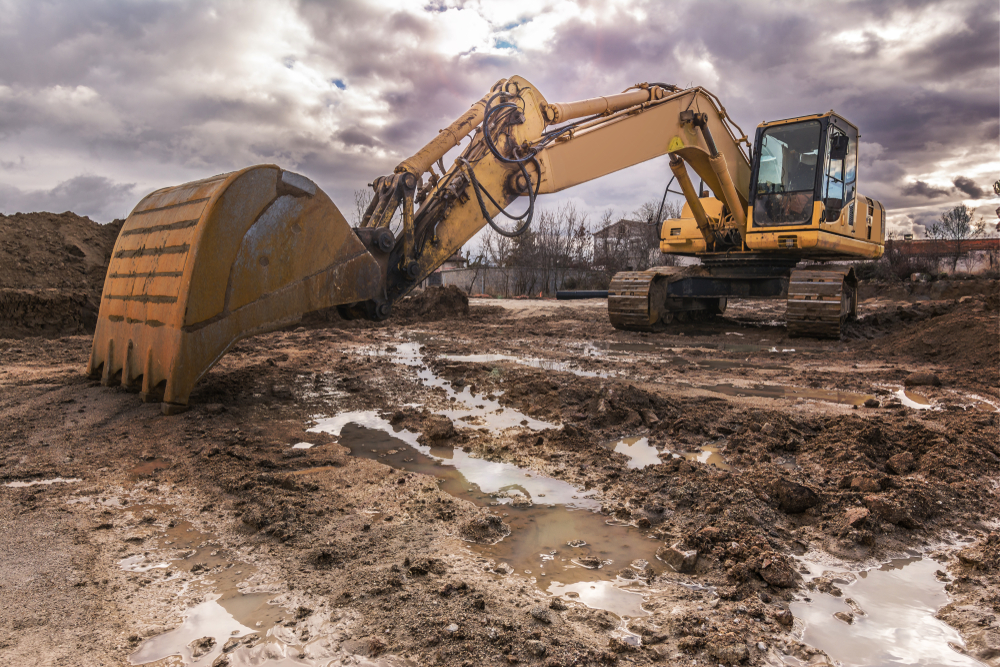
Winter weather can pose serious challenges for construction crews and project managers, especially in regions like Montgomery, TX. With increased precipitation and fluctuating temperatures, muddy conditions can hinder site operations, damage equipment, and delay timelines. To counter these seasonal disruptions, construction site soil stabilization becomes critical. Ensuring that job sites remain accessible and operable throughout the colder months not only protects the project schedule but also enhances safety and efficiency. This blog explores various strategies tailored to maintaining reliable winter site access in Texas, with a focus on practical and proven methods, such as temporary construction road building, dewatering services, and mud tracking prevention site prep.
The Challenges of Muddy Construction Sites
During winter, rainfall and reduced evaporation rates lead to persistent soil saturation, turning once-solid ground into a slippery and unstable work surface. In Montgomery, TX, these issues are compounded by the local clay-heavy soils, which retain water and become extremely slick when wet. This not only makes moving equipment across the site difficult, it also increases the risk of vehicles getting stuck, utility lines being damaged, and delays in material delivery.
Inadequate soil conditions create a domino effect of inefficiency, from compromised worker safety to reduced productivity. Moreover, heavy equipment traveling over muddy surfaces can cause deep ruts that worsen with repeated use, requiring frequent repairs and contributing to environmental concerns such as erosion and sediment runoff. Without effective winter site access solutions in place, a project can quickly fall behind schedule, inflate budgets, and breach compliance regulations.
Soil Stabilization Techniques for Cold-Weather Construction
To manage wintertime site access effectively, construction professionals in Texas are turning to reliable soil stabilization techniques. The goal is to modify the existing soil’s physical properties to improve its load-bearing capacity, reduce moisture content, and create a more uniform working surface. One popular approach includes the use of chemical additives such as lime, cement, or fly ash. These substances react with the clay particles in the soil, reducing their plasticity and increasing strength.
Lime stabilization, for example, is particularly effective in high-clay content areas like Montgomery. When mixed into wet soil, lime initiates a chemical reaction that reduces moisture and transforms the soil into a more manageable and firm surface. Similarly, cement stabilization can be used when higher strength is needed, making it ideal for load-bearing paths or heavily trafficked zones on the job site.
Mechanical stabilization is another commonly used method, which involves mixing different types of materials such as gravel, sand, or crushed stone into the native soil. This increases the soil’s compaction and overall stability, allowing for better drainage and support. These stabilized areas become vital for creating temporary construction roads and staging areas that can support the weight of machinery without sinking or collapsing under pressure.
Temporary Construction Road Building for Uninterrupted Access
A key component of successful winter construction planning involves building reliable temporary roads throughout the site. These roads provide consistent access for trucks, equipment, and personnel regardless of weather conditions. In Montgomery, TX, where winter rain events are common, temporary construction road building is often the first step in effective site prep.
The process usually begins with excavation or grading to remove unstable topsoil and create a level base. Geotextile fabrics are then placed on the ground to separate the soil from aggregate layers. These fabrics help distribute weight and prevent the mixing of materials, which is critical in maintaining the integrity of the road. Next, a layer of compacted gravel or crushed rock is applied, creating a durable and permeable surface that sheds water rather than holding it.
In some cases, construction teams may use timber mats or steel plates to create portable access paths over extremely soft or saturated ground. These temporary systems can be quickly deployed and removed, providing flexibility in changing site conditions. When paired with soil stabilization techniques, these road systems drastically improve winter site accessibility and reduce the likelihood of mud-related delays.
Dewatering Services as a Preventive and Reactive Measure
Water accumulation is one of the leading causes of unstable soil during winter. Managing it requires both proactive planning and real-time responses. Dewatering services are essential to control groundwater and surface runoff, especially in excavation zones, foundation trenches, or low-lying site areas.
There are several dewatering strategies used across construction sites in Texas, each tailored to specific conditions. Wellpoint systems, sump pumps, and trench drains are commonly deployed to remove excess water efficiently. In Montgomery, TX, where heavy clay soil slows natural drainage, installing a robust dewatering system before major rain events can make the difference between staying on schedule or halting operations entirely.
Dewatering not only stabilizes the soil by reducing moisture saturation, but it also helps maintain the integrity of the entire site. Foundations can be poured with greater accuracy, utilities can be installed without flooding delays, and access roads remain usable. Regular water level monitoring and fast response to pooling or runoff ensure that temporary measures are continually effective throughout the winter season.
Mud Tracking Prevention and Site Prep Best Practices
Mud tracking doesn’t just pose problems on-site, it also extends beyond the project perimeter, potentially creating hazards on nearby roads and drawing regulatory scrutiny. Preventing the spread of mud begins with strategic site preparation and control measures aimed at minimizing contamination from the start.
One of the most effective methods is establishing designated entry and exit points with stabilized pads, often made from rock or aggregate layers. These pads clean vehicle tires and reduce the amount of mud leaving the site. In some cases, rumble strips or wash stations may be installed to further reduce debris before vehicles enter public roads.
Site layout planning also plays a crucial role in mud control. By isolating high-traffic areas and sequencing work zones efficiently, teams can limit how much equipment travels over soft ground. Additionally, covering exposed soil with mats, tarps, or erosion control blankets helps prevent saturation and reduces runoff during rain.
Regular maintenance of stabilization areas, drainage systems, and access routes is essential to keeping these measures effective. Clearing debris, re-compacting aggregate layers, and inspecting geotextiles or filtration systems ensures long-term performance throughout the winter season.
Conclusion
Construction in winter doesn’t have to stop when muddy conditions arise. With comprehensive soil stabilization strategies, construction professionals in Montgomery, TX, and across the state can maintain consistent site access and minimize weather-related disruptions. Whether it’s through chemical or mechanical soil modification, temporary construction road building, or employing dewatering services, these solutions ensure the ground remains solid and accessible.
Incorporating winter site access solutions into early project planning is not just a precaution, it’s a necessity for successful project delivery. Proactive mud tracking prevention site prep further protects job sites and the surrounding environment, while reducing cleanup costs and safety risks. By using proven techniques and maintaining a flexible approach, Texas-based construction teams can face winter’s challenges with confidence and keep their operations moving smoothly.
Need Construction Preparation & Services in Montgomery, TX?
At Randy Roan Construction Inc., we work hard to ensure our quality work is done in a timely manner. We provide services such as land clearings, site utilities, and asphalt paving along with many other services. We guarantee your customer satisfaction with our work here at Randy Roan Construction Inc. So give us a call today!