

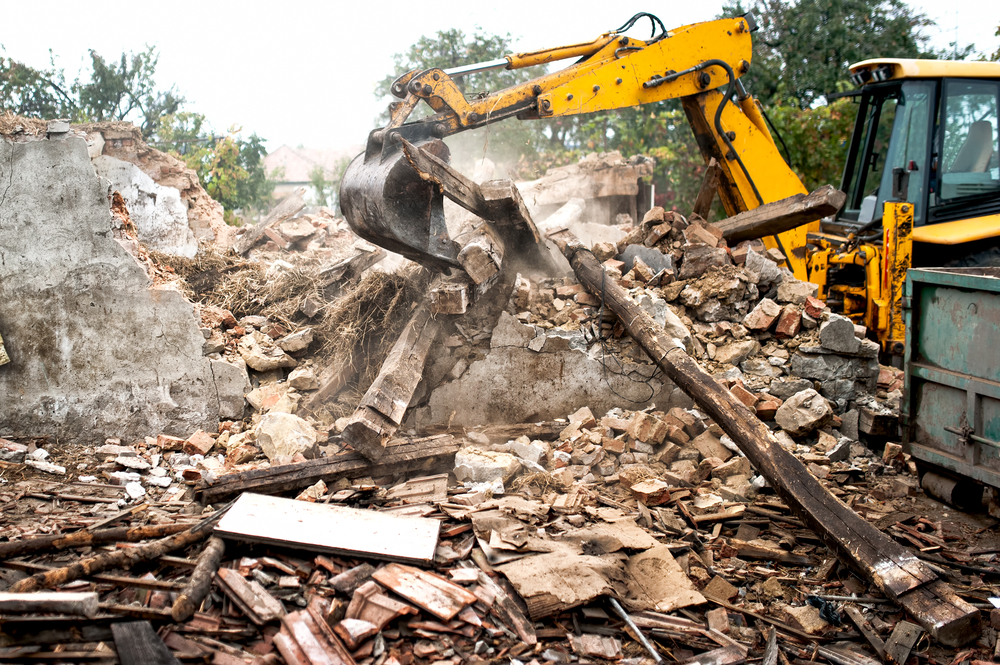
Preparing for demolition is one of the most important steps in any remodeling or rebuilding project. Whether you are removing a single room, tearing down an aging structure, or preparing your property for a new custom home, taking the right steps before demolition day helps prevent delays, protects your belongings, and keeps the project moving forward.
Quick Answer
Before demolition day, homeowners should remove personal belongings, disconnect utilities as directed, secure permits, plan for dust and debris, protect nearby structures, and confirm access for equipment. A well-prepared property allows demolition crews to work more safely and efficiently while reducing the chance of unexpected setbacks.
What Local Homeowners Should Know
- Montgomery County may require permits depending on the scope of your demolition project, so verify requirements before work begins.
- Large trees, fencing, septic systems, and other property features common throughout Montgomery, TX should be identified before equipment arrives.
- Utility providers may require advance notice before disconnecting electrical, gas, or water service.
- Homes near Lake Conroe, Magnolia, Conroe, or other growing communities often have unique access or drainage considerations that should be discussed before demolition.
- Planning ahead helps reduce project delays and creates a safer environment for everyone involved.
Why This Matters Locally
Preparing for demolition is especially important in Montgomery, TX because properties vary widely, from established neighborhoods with mature trees to larger rural lots with septic systems, detached workshops, barns, and long driveways. Local weather can also affect scheduling. Heavy rain may soften the ground, while summer heat makes efficient planning even more valuable.
At Randy Roan Construction Inc., we work with homeowners throughout the area to prepare properties for successful demolition and the next phase of construction. Once planning is complete, we focus on keeping projects organized from start to finish.
Local Field Observations
Professional experience throughout Montgomery County shows that many demolition delays are caused by issues that can be addressed before equipment arrives. Utility disconnects, forgotten personal belongings, inaccessible work areas, and unexpected underground features are among the most common reasons schedules need to be adjusted.
Taking time to complete a thorough checklist before demolition day helps avoid unnecessary interruptions.
Local Impact
A well-prepared demolition site protects more than just the structure being removed. It helps safeguard neighboring homes, landscaping, driveways, and utility infrastructure while reducing cleanup time and keeping the project on schedule.
For homeowners in growing communities like Montgomery, Conroe, Magnolia, Willis, and The Woodlands, efficient demolition also helps minimize disruptions to nearby properties.
Homeowner Checklist Before Demolition Day
The best way to prepare for demolition day is to complete several important tasks before the crew arrives.
Remove Personal Belongings
Empty the home, garage, attic, sheds, and storage buildings. Even items scheduled for disposal should be removed unless your contractor has confirmed otherwise.
Save Items You Want to Keep
If there are cabinets, fixtures, doors, flooring, appliances, or architectural features you plan to reuse, discuss salvage plans well before demolition begins.
Confirm Utility Disconnections
Electricity, natural gas, water, sewer, cable, and internet services may need to be disconnected according to local requirements. Always confirm who is responsible for scheduling these disconnects.
Protect Nearby Structures
Vehicles, trailers, lawn equipment, outdoor furniture, and recreational items should be moved away from the work zone.
Secure Pets and Children
Demolition equipment creates noise, dust, and heavy vehicle traffic. Keeping children and pets away from the work area improves safety for everyone.
Mark Property Features
Identify septic systems, wells, irrigation components, underground utilities, propane tanks, and other important features before demolition starts.
Plan Equipment Access
Heavy machinery needs adequate space to enter and exit the property. Remove gates, temporary obstacles, or parked vehicles that could interfere with access.
Discuss Expectations
Review the demolition schedule, site access, debris removal plans, and any questions with your contractor before work begins.
Warning Signs You Need More Preparation Time
Several issues may indicate your property is not quite ready for demolition.
- Utilities have not been disconnected.
- Personal belongings remain inside the structure.
- Salvage items have not been removed.
- Equipment cannot safely access the property.
- Permits or approvals are still pending.
- Trees or landscaping may interfere with demolition equipment.
- Neighbors have not been notified when appropriate.
When to Call a Professional
Professional demolition planning becomes especially valuable when utilities, septic systems, structural concerns, environmental hazards, or large equipment are involved. While homeowners can prepare personal belongings and clear access routes, licensed professionals should manage demolition planning, structural safety, and equipment operation.
Common Local Challenges
Several local conditions frequently affect demolition projects in Montgomery County.
Mature Trees
Many properties feature large oak and pine trees that require careful equipment placement to minimize unnecessary damage.
Septic Systems
Homes outside municipal sewer service often rely on septic systems that should be identified before excavation begins.
Rural Property Layouts
Long driveways, fencing, detached buildings, and uneven terrain may require additional planning for heavy equipment access.
Weather Conditions
Rain can delay demolition by creating muddy work areas, while high summer temperatures may affect scheduling and site conditions.
Prevention and Planning Tips
A little preparation before demolition day can make the entire project more efficient.
- Walk through the property several days before demolition.
- Photograph existing property conditions.
- Label items being salvaged.
- Remove valuables well in advance.
- Confirm utility appointments.
- Discuss weather contingency plans.
- Ask questions before equipment arrives rather than during demolition.
What to Expect After Demolition
Once demolition is complete, homeowners can generally expect debris removal, site cleanup, and preparation for the next construction phase. Depending on the project, grading, foundation work, or additional site preparation may follow.
Project timelines vary based on weather, property conditions, permitting, and the scope of work.
Common Mistakes
Waiting Until the Last Minute
Rushing preparations often leads to forgotten belongings or project delays.
A better approach is to complete your checklist several days before demolition begins.
Forgetting About Utility Coordination
Delays frequently occur when required utility disconnects have not been completed.
A better approach is to verify appointments well ahead of the scheduled demolition date.
Assuming Everything Will Be Removed
Not every item is automatically included in demolition.
A better approach is to clarify exactly what will be demolished, removed, salvaged, or left in place.
Common Local Scenario
A homeowner in the Montgomery area plans to replace an older home with a newly constructed residence. Before demolition begins, the family removes personal belongings, identifies mature trees they want preserved, confirms utility disconnections, and marks the septic system. With those preparations complete, demolition proceeds more efficiently and the next construction phase can begin with fewer delays.
Related Service Solutions
Demolition is often just one step in a larger construction project. Depending on your goals, related services may include site preparation, land clearing, grading, excavation, foundation work, custom home construction, remodeling, or rebuilding after demolition.
Comparing Your Options
| DIY Preparation | Professional Planning |
|---|---|
| Remove personal belongings | Coordinate demolition schedule |
| Move vehicles and outdoor items | Verify project sequencing |
| Protect valuables | Manage equipment access |
| Identify salvage items | Coordinate demolition operations |
| Prepare family and pets | Address structural and site safety considerations |
Service Areas
We proudly serve homeowners in Montgomery, TX, along with Conroe, Magnolia, Willis, Pinehurst, Plantersville, Dobbin, and surrounding communities throughout Montgomery County.
Cost of Ignoring Preparation
Skipping important preparation steps can lead to project delays, additional cleanup, scheduling conflicts, and avoidable expenses. Proper planning helps keep demolition organized while reducing unexpected complications.
Frequently Asked Questions
Do I need a permit before demolition in Montgomery, TX?
Yes. Some demolition projects require permits depending on the structure and scope of work. Check with Montgomery County or your local jurisdiction before scheduling demolition.
Should utilities be disconnected before demolition?
Yes. Utility services are typically disconnected before demolition begins. Your contractor can explain which disconnects are required and who is responsible for scheduling them.
Can I stay in my home until demolition day?
Yes, in many situations homeowners remain in the home until preparations are complete. Be sure to remove personal belongings and vacate the property before demolition begins.
What should I remove before demolition?
Remove furniture, valuables, important documents, appliances scheduled for reuse, sentimental items, and anything you plan to salvage before demolition crews arrive.
Does weather affect demolition projects in Montgomery County?
Yes. Rain, muddy ground conditions, and extreme heat can affect scheduling and equipment access throughout the region.
Can materials be salvaged during demolition?
Yes. Many homeowners choose to save doors, cabinets, fixtures, flooring, or specialty materials. Discuss salvage plans with your contractor before work starts.
How long does residential demolition usually take?
The timeline depends on the size of the structure, property conditions, permitting, weather, and debris removal requirements. Your contractor can provide a project-specific schedule.
Should I notify my neighbors before demolition?
Yes. Letting nearby neighbors know about upcoming demolition helps them prepare for temporary noise, equipment activity, and construction traffic.
Ready to Prepare for Demolition in Montgomery, TX?
Careful planning before demolition day helps create a safer, smoother construction experience from the very beginning.