
Cracked concrete is common enough that property owners may be tempted to treat every damaged slab the same way. In Conroe, however, soil movement, heavy rain, drainage problems, heat, and years of use can turn some concrete problems into more than a cosmetic issue.
Quick answer: Concrete should generally be removed when a slab, driveway, or foundation is too damaged, unstable, poorly positioned, or deteriorated to make repair practical. Removal may also be necessary before new construction, drainage improvements, utility work, or replacement concrete can begin. The right decision depends on the concrete’s condition, intended use, reinforcement, thickness, accessibility, and what will be built or installed afterward.
What local property owners should know
-
Widespread cracking, significant settlement, broken sections, and major elevation differences can make replacement more practical than repeatedly repairing damaged concrete.
-
Conroe’s periods of heavy rainfall can expose drainage problems around driveways, patios, slabs, and other hard surfaces.
-
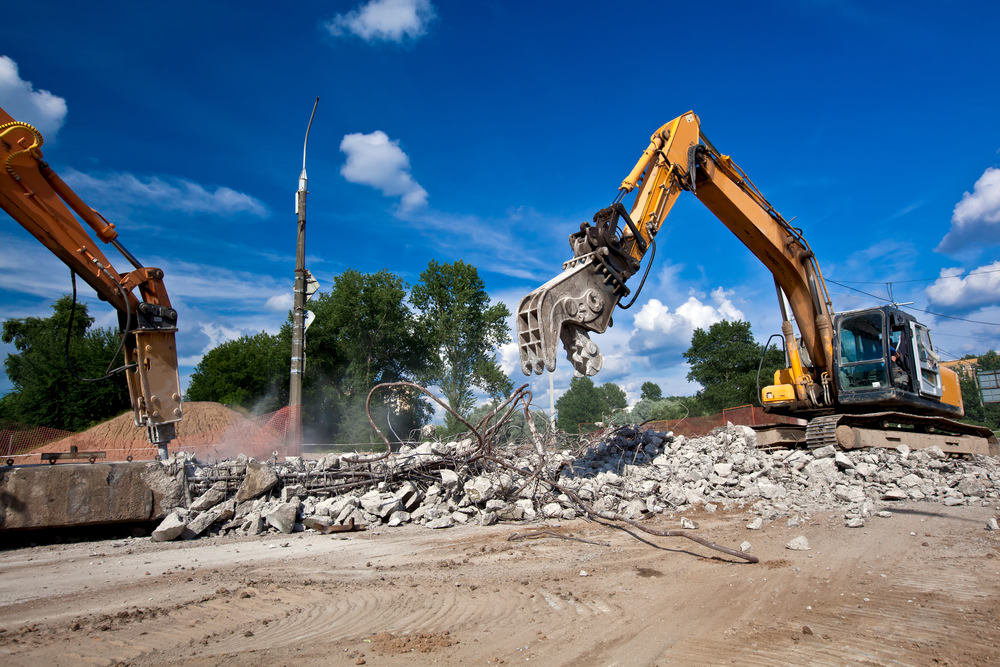
Concrete demolition involves more than breaking a slab because reinforcement, debris removal, equipment access, utilities, and the next phase of the project all matter.
-
Properties around Montgomery County range from established homes to active construction sites, so demolition requirements can vary considerably from one property to another.
-
A professional evaluation can help determine whether damaged concrete needs full removal or whether a more limited approach makes sense.
Why Does Concrete Demolition Matter in Conroe?
Concrete demolition matters in Conroe because outdoor slabs and structural concrete are exposed to changing moisture conditions, heat, drainage patterns, soil movement, traffic, and property improvements over time. Removing failed or unwanted concrete correctly also creates a cleaner starting point for replacement work, site preparation, utility access, or a new construction project.
From properties near Lake Conroe to homes and commercial sites along the I-45 corridor, concrete can serve very different purposes. A cracked patio does not present the same concerns as a deteriorated driveway carrying vehicles or concrete associated with a building foundation.
Randy Roan Construction Inc. provides construction services from Montgomery, Texas, and when we evaluate concrete removal needs, the surrounding site matters along with the concrete itself. Access, nearby structures, buried services, drainage, and plans for the area after demolition can all affect the approach.
What Do We Commonly Observe With Local Concrete?
Local concrete problems often involve cracking, movement, drainage concerns, deterioration, or concrete that simply conflicts with a property’s next use. These are professional field observations rather than a claim that every slab in the Conroe area will develop the same problems.
Montgomery County properties can experience substantial changes between wet and dry conditions. Water may also collect along low spots, slab edges, or poorly drained areas. Over time, property improvements can create another reason for demolition. An old patio, driveway section, equipment pad, or foundation may need to come out because the owner wants to rebuild the space.
How Can Damaged Concrete Affect a Local Property?
Damaged concrete can affect a local property by creating uneven surfaces, interfering with drainage, limiting vehicle or equipment access, and complicating future construction. If the concrete continues moving or deteriorating, repeatedly patching visible damage may address appearance without resolving the underlying reason the slab is failing.
For homeowners, the concern may be an uneven driveway or an old slab occupying usable yard space. For businesses and construction sites, deteriorated concrete can interfere with traffic patterns, equipment movement, or redevelopment plans.
The consequences depend heavily on what the concrete supports and where it is located.
What Warning Signs Suggest Concrete May Need Removal?
Concrete may need removal when damage is widespread, the slab has moved significantly, or the existing concrete can no longer serve its intended purpose reliably. One crack alone does not automatically mean demolition is necessary, but multiple signs can make a professional evaluation worthwhile.
Watch for:
-
Numerous cracks spreading across a driveway or slab.
-
Sections that have noticeably settled or shifted.
-
Large height differences between adjoining concrete sections.
-
Broken or crumbling areas that continue getting worse.
-
Drainage that repeatedly directs or holds water around the concrete.
-
Exposed or deteriorating reinforcement.
-
Concrete that interferes with planned construction or utility work.
-
An old foundation or slab that must be cleared before redevelopment.
When Should You Call a Concrete Demolition Professional?
You should call a concrete demolition professional when removal involves thick or reinforced concrete, structural components, nearby buildings, uncertain utilities, restricted equipment access, or substantial debris. Professional planning becomes especially valuable when the demolished area must be properly prepared for new concrete or another phase of construction.
Property owners can safely monitor small surface cracks, drainage after storms, and visible changes in slab elevation. Breaking structural or reinforced concrete is different.
Before demolition begins, the location of utilities and other site hazards should be understood. Foundation removal also deserves particular care because the concrete may be connected to other structural elements.
What Commonly Causes Concrete Problems Around Conroe?
Common causes of concrete problems around Conroe include soil and moisture changes, inadequate drainage, heavy use, age, and changes in how a property is used. More than one factor can contribute to deterioration, which is why identifying the likely cause is useful before deciding whether to repair or remove the concrete.
1. Soil and moisture changes: Wet and dry periods can change the conditions supporting concrete.
2. Drainage problems: Water flowing toward or collecting around a slab can contribute to problems beneath or beside it.
3. Repeated loads: Driveways and work areas may deteriorate under vehicle or equipment traffic, particularly when the supporting base has problems.
4. Age and deterioration: Older concrete can accumulate cracking, surface deterioration, and previous repairs.
5. Property redevelopment: Perfectly serviceable concrete sometimes needs demolition because a building addition, new driveway layout, utility project, or other improvement requires the space.
Can You Prevent the Need for Concrete Demolition?
You can reduce some concrete problems by paying attention to drainage, changing surface conditions, and early signs of movement, although maintenance cannot prevent every eventual demolition project. In the Conroe area, checking where stormwater travels after periods of heavy rain is a particularly useful property maintenance habit.
Keep drainage paths open and watch for soil washing away near slab edges. Avoid assuming that repeated patching will solve movement underneath a slab.
If cracks are widening, elevations are changing, or water repeatedly collects around the concrete, consider having the condition evaluated before investing in cosmetic repairs.
What Should You Expect From Professional Concrete Removal?
Professional concrete removal should leave the designated concrete demolished and the site ready for the planned next phase, based on the agreed scope of work. The exact process varies according to slab thickness, reinforcement, access, surrounding structures, debris volume, and whether additional excavation or site preparation is required.
A driveway replacement near Willis may have very different access requirements from removing an old slab on a tighter property closer to central Conroe. That is why the demolition plan should reflect the actual site rather than relying on a one-size-fits-all process.
What Concrete Demolition Mistakes Should Property Owners Avoid?
The biggest concrete demolition mistakes involve starting without understanding utilities, structural connections, debris handling, access, or the condition needed for the next phase. Breaking concrete first and solving these issues later can make a project more complicated than planning the entire removal process beforehand.
Mistake: Assuming every cracked slab needs complete demolition.
Consequence: Usable concrete may be removed unnecessarily.
Better approach: Evaluate the extent and cause of the damage first.
Mistake: Ignoring drainage around replacement areas.
Consequence: Existing site problems may remain after new work is completed.
Better approach: Consider grading and water movement during project planning.
Mistake: Treating foundation demolition like patio removal.
Consequence: Structural connections and site conditions may be overlooked.
Better approach: Have foundation removal professionally evaluated.
What Is a Common Concrete Demolition Scenario in Conroe?
A common local scenario is an older driveway with multiple cracks, settled sections, and recurring low spots where water collects after rain. The owner may initially consider patching individual areas but also plans to replace the driveway, making it important to determine whether keeping portions of the existing concrete is worthwhile.
Another common situation is redevelopment. A property owner in Montgomery County may need an old slab, patio, foundation, or concrete pad removed before constructing something new. In that case, demolition is part of preparing the site rather than simply fixing damaged concrete.
Which Services Can Help With Unwanted or Failed Concrete?
Concrete demolition and related site work can help when existing slabs, driveways, foundations, or concrete features need to be cleared for replacement or a new project. The appropriate scope should account for demolition itself, debris, access, surrounding improvements, and what needs to happen on the site afterward.
For a project in Conroe, we can discuss the concrete you want removed and the broader construction goal so the demolition work fits into the next stage.
Should You Repair Concrete or Remove It?
Repair is generally more appropriate for limited damage when the concrete remains suitable for its intended use, while removal becomes more compelling when damage or movement is extensive or the slab must be replaced for another reason. The condition beneath the concrete and the property’s future plans should also influence the decision.
Minor isolated defects may justify repair. Multiple failed sections, significant settlement, major deterioration, or redevelopment can point toward demolition.
For foundations, structural slabs, and other critical concrete, avoid making the repair-versus-removal decision based only on visible cracking.
Where Do We Serve Around Conroe?
Concrete demolition projects may arise throughout Conroe and surrounding Montgomery County communities, including Montgomery, Willis, and areas toward The Woodlands and Lake Conroe. The type of property, site access, surrounding development, and planned next use are more important than assuming every nearby project requires the same demolition approach.
What Can Happen If You Leave Failed Concrete in Place?
Leaving failed concrete in place can allow uneven surfaces, drainage concerns, deterioration, or limitations on future construction to continue. Waiting is not automatically dangerous or expensive in every situation, but concrete that is actively moving or interfering with a planned project deserves closer attention.
Addressing the issue earlier can also provide more time to coordinate demolition with replacement concrete, site preparation, or other construction instead of treating removal as a last-minute obstacle.
FAQ About Concrete Demolition in Conroe
Do I need to remove a cracked driveway in Conroe?
A cracked driveway does not automatically need removal. A few stable cracks may be repairable, while widespread cracking, settlement, broken sections, or significant elevation changes can make replacement more reasonable. The underlying conditions and how the driveway performs should be evaluated before deciding between repair and demolition.
Why do concrete slabs move in Montgomery County?
Concrete slabs can move when the conditions supporting them change, including changes in soil moisture, drainage, erosion, or base support. Montgomery County experiences both wet and dry periods, so property owners should pay attention to water movement and visible changes around concrete rather than focusing only on surface cracks.
Can an old concrete foundation be demolished?
Yes, an old concrete foundation can be demolished when redevelopment or site plans require its removal, but foundation demolition should be approached differently from breaking up a simple patio slab. Reinforcement, structural connections, utilities, thickness, access, and the planned use of the cleared area all need to be considered.
How long does concrete demolition take in Conroe?
The demolition timeline depends on the size and thickness of the concrete, reinforcement, equipment access, debris handling, nearby structures, and site conditions. A small accessible slab can be very different from a reinforced foundation or large driveway, so an accurate schedule should be based on the specific property and scope.
Does reinforced concrete take more work to remove?
Yes, reinforced concrete generally requires additional work because steel reinforcement must be separated or cut as the concrete is broken apart. Reinforcement can affect equipment choices, labor, debris handling, and project timing. Its presence is one reason the visible size of a slab does not tell the entire demolition story.
Should drainage be considered before replacing a driveway near Lake Conroe?
Yes, drainage should be considered before replacement concrete is installed, particularly if water has been collecting beside or flowing across the existing driveway. Removing concrete creates an opportunity to evaluate the surrounding grades and drainage conditions so an existing water-management problem is not simply carried into the replacement project.
Can I demolish a concrete slab myself?
Small, nonstructural concrete may appear manageable, but DIY demolition becomes risky when utilities, reinforcement, thick concrete, structural connections, heavy debris, or powered equipment are involved. For substantial slabs and foundations in Conroe, professional evaluation can help determine the safest and most practical demolition approach for the site.
Is concrete removal necessary before building something new in Montgomery County?
Concrete removal is necessary when an existing slab or foundation conflicts with the footprint, elevations, utilities, site preparation, or requirements of the planned project. Not every piece of existing concrete automatically needs removal, so the new construction plan should guide what stays and what needs to be demolished.
Clear the Way for Your Next Conroe Project
The right concrete demolition plan considers more than what needs to be broken up. We look at the existing concrete, surrounding property, access, and what needs to happen next so you can make an informed decision about your project.