

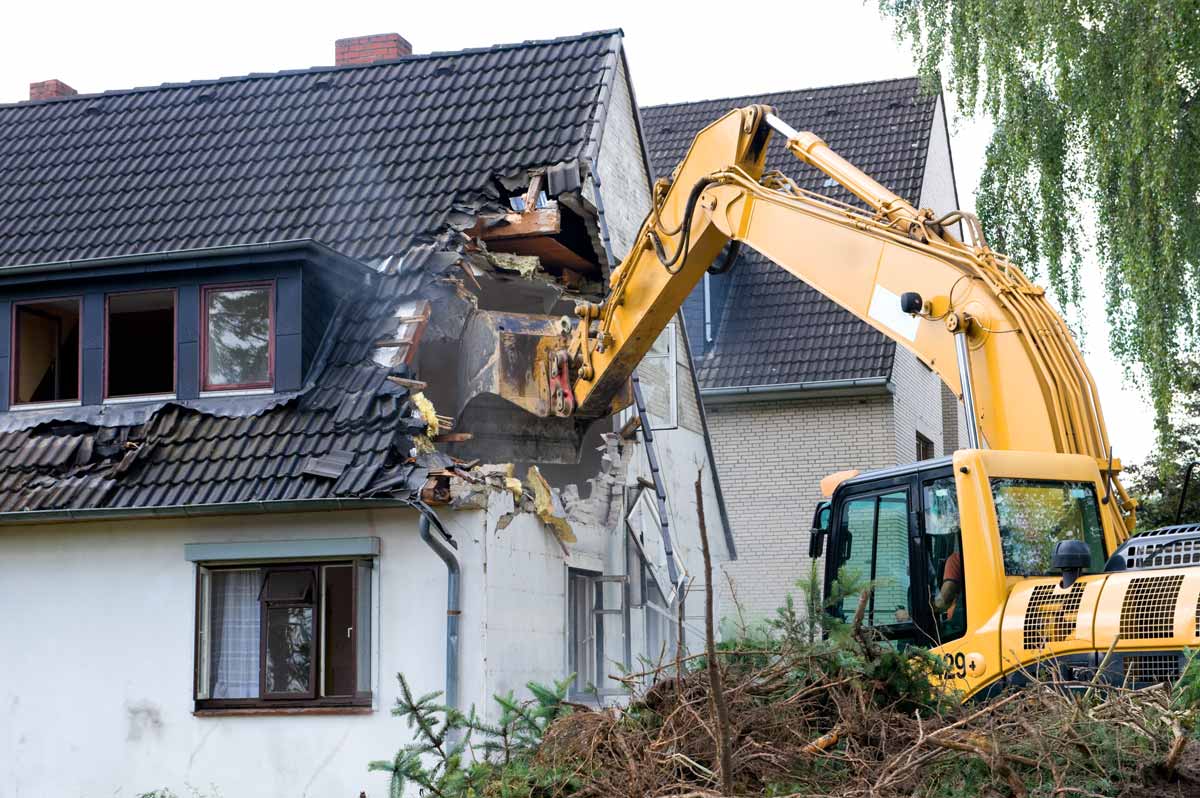
An aging or unwanted mobile home can become a serious obstacle when you want to clean up a property, prepare land for another use, or remove a structure that is no longer practical to maintain. Around Montgomery, Lake Conroe, and the surrounding parts of Montgomery County, demolition also involves more than simply tearing down the structure and hauling away the debris.
Quick answer: Mobile home demolition in Montgomery County typically involves evaluating the structure and site, confirming applicable permit and utility requirements, disconnecting services, demolishing or dismantling the home, removing debris, and leaving the site in an agreed-upon condition. Property owners should also consider access for equipment, nearby structures, septic or utility components, and what will happen to the land after removal.
What local property owners should know
-
Mobile home demolition should begin with a site assessment because access, utilities, surrounding structures, and property conditions can affect how the work is approached.
-
Properties around Montgomery County can range from smaller residential lots to wooded acreage and rural tracts, so equipment access needs to be considered before demolition begins.
-
Utility connections, septic components, and other site infrastructure should be identified before demolition work starts.
-
Debris removal is a major part of the project, so property owners should understand what materials will be removed and what condition the site will be left in.
-
Permit and disposal requirements should be confirmed for the specific property rather than assumed based on another demolition project.
Why Mobile Home Demolition Requires Planning in Montgomery County
Mobile home demolition in Montgomery County requires planning because the structure is only one part of the job. Access, debris handling, utilities, surrounding improvements, and the intended future use of the property can all influence the demolition process.
The area includes properties near Lake Conroe, developed neighborhoods, rural roads, wooded lots, and larger acreage outside the denser parts of Conroe. A mobile home located on open land may present a very different demolition setup from one positioned close to trees, fences, sheds, driveways, or neighboring structures.
Heavy equipment and debris-hauling vehicles also need adequate access to the work area. Properties off FM roads or smaller rural routes may require a closer look at gates, driveways, overhead obstructions, and available maneuvering space.
Randy Roan Construction Inc. serves property owners in the Montgomery, TX area. When we approach demolition planning, the goal is to understand the structure as well as the conditions around it so the work can be planned appropriately.
What Local Site Conditions Can Affect a Demolition Project?
Local site conditions can affect mobile home demolition by changing equipment access, debris-removal logistics, and the amount of preparation needed before work begins. Property owners should look beyond the mobile home itself and consider everything between the structure and the public road.
Around Montgomery and neighboring communities, properties may include mature trees, detached buildings, fences, septic systems, wells, propane equipment, overhead utilities, and long driveways. Each feature can affect where equipment can operate and how debris can be removed.
Weather can matter as well. Heavy rainfall can leave unpaved areas soft or muddy, potentially affecting equipment and truck access. Site conditions should therefore be evaluated as part of scheduling rather than treating demolition as an isolated structural task.
What Are the Warning Signs That a Mobile Home May Be Ready for Removal?
A mobile home may be a candidate for demolition when deterioration is extensive, the structure is no longer useful, or keeping it interferes with the owner’s plans for the property. The decision should consider the overall condition and future use of the site rather than one isolated defect.
Common signs include:
-
Extensive structural deterioration or visible instability
-
Significant roof, wall, or floor damage
-
Long-term vacancy combined with worsening condition
-
Widespread moisture-related deterioration
-
Damage that affects multiple parts of the structure
-
A structure that is no longer needed on the property
-
Plans to clear the site for another approved use
-
An abandoned mobile home that has become difficult to maintain
A professional site evaluation can help clarify what demolition would involve before the owner commits to the project.
When Should You Call a Professional for Mobile Home Demolition?
Property owners should call a demolition professional when removing the structure requires heavy equipment, utility coordination, debris hauling, or work near other property improvements. Mobile home demolition is generally not a practical DIY project because dismantling a structure introduces safety and disposal concerns.
Owners can safely gather basic information beforehand. Note where vehicles can enter, identify known utility or septic locations, collect available property records, and decide what you want the site to look like afterward.
The actual structural demolition, equipment operation, and debris handling are better addressed by professionals equipped for that work. Before starting, applicable local requirements should also be confirmed for the specific property.
What Common Factors Make Mobile Home Removal More Complicated?
The most common complications in mobile home removal involve utilities, restricted access, surrounding structures, accumulated contents, and site-specific disposal needs. Identifying these conditions early can make project planning much more straightforward.
Utilities are especially important. Electrical service, water, gas or propane, sewer connections, wells, and septic systems should not simply be assumed inactive because a mobile home is vacant.
Access is another major factor on rural properties around Montgomery County. Trees, narrow gates, soft ground, drainage features, and limited turning space can affect both demolition equipment and hauling trucks.
The home’s contents also matter. Furniture, appliances, household materials, and accumulated debris can add another layer of removal work beyond demolishing the structure itself.
How Can Property Owners Prepare for Mobile Home Demolition?
Property owners can prepare for mobile home demolition by documenting the site, identifying utilities, clearing access where appropriate, and deciding what should remain after the structure is removed. Good preparation helps establish a clear scope before equipment arrives.
Start by walking the property and noting fences, gates, trees, sheds, utility equipment, septic components, wells, and other features near the mobile home. Avoid attempting to disconnect or disturb utility infrastructure yourself unless you are qualified and authorized to do so.
Owners should also think about the next step for the land. A site being cleared for general cleanup may require a different finished condition than property being prepared for future construction or other improvements.
What Results Should You Expect After Mobile Home Demolition?
After mobile home demolition, property owners should expect the structure and agreed-upon demolition debris to be removed, with the site left according to the project’s defined scope. The exact finished condition should be discussed before work starts because demolition and final site preparation are not necessarily the same service.
For example, an owner may simply need an unwanted structure removed. Another property near Montgomery may need additional clearing or preparation as part of a larger land-use plan.
Clarifying the desired endpoint prevents confusion about what happens after the mobile home is gone.
What Mistakes Should Property Owners Avoid?
The biggest demolition mistakes come from starting without understanding utilities, access, debris removal, or the desired final condition of the property. Addressing those issues before demolition can reduce avoidable complications.
Mistake: Assuming a vacant home has no active utility concerns.
Consequence: Unknown connections can create safety and scheduling problems.
Better approach: Identify and properly address utilities before demolition begins.
Mistake: Looking only at the mobile home’s condition.
Consequence: Trucks or equipment may have difficulty reaching the structure.
Better approach: Evaluate the entire route from the road to the work area.
Mistake: Leaving the final site condition undefined.
Consequence: The owner’s expectations may differ from the demolition scope.
Better approach: Discuss debris removal and site expectations in advance.
What Does a Common Montgomery County Demolition Scenario Look Like?
A common Montgomery County scenario involves an older mobile home on a residential or rural property that the owner wants removed before making other plans for the land. This is an illustrative local scenario, not a specific Randy Roan Construction Inc. project.
The home may sit behind a gate with trees, utility connections, a septic system, or accessory structures nearby. Before demolition, the work area and access route need to be considered along with utility and debris-removal requirements.
Once those issues are addressed, demolition can be planned around the actual property rather than treating every mobile home as an identical job.
What Services Can Support Mobile Home Removal?
Demolition and related site work can help property owners move from an unwanted structure toward a cleaner, more usable property. The appropriate scope depends on what is present and what the owner intends to do with the site afterward.
We can discuss the demolition needs of the property, site access, removal considerations, and the owner’s goals for the land.
How Do Your Mobile Home Removal Options Compare?
Professional demolition is generally the appropriate option when a complete mobile home must be structurally removed and hauled from a property. DIY cleanup may still have a role before or after the project, but it should not replace professional structural demolition.
Property owners can handle simple tasks such as gathering records, identifying items they want to keep, and documenting known site features. Professional work becomes appropriate when the project involves structural removal, heavy machinery, substantial debris, or conditions that could affect surrounding property.
The right approach should reflect both the condition of the home and the intended use of the site afterward.
Where Is Mobile Home Demolition Relevant Locally?
Mobile home demolition is relevant throughout Montgomery and surrounding Montgomery County communities where aging or unwanted manufactured housing remains on residential and rural properties. Local property owners may also be planning removal in areas toward Conroe, Willis, Magnolia, Plantersville, and the Lake Conroe area.
The exact scope should always be based on the individual property and its location.
What Can Happen If an Unwanted Mobile Home Is Left in Place?
Leaving an unwanted or deteriorating mobile home in place can allow its condition to worsen while delaying other plans for the property. Continued exposure to Montgomery County heat, humidity, storms, and rainfall can contribute to additional deterioration in a structure that is already in poor condition.
Waiting can also postpone land cleanup or future property improvements. If removal is already part of the owner’s plan, evaluating the project earlier provides a clearer picture of access, utilities, demolition needs, and next steps.
FAQ About Mobile Home Demolition in Montgomery County
Do I need a permit to demolish a mobile home in Montgomery County?
Permit requirements should be confirmed for the specific property before demolition begins. Requirements can vary based on location, jurisdiction, structure, and project circumstances. Property owners should avoid assuming that a permit is or is not required based on another project elsewhere in Montgomery County.
How long does mobile home demolition take in Montgomery, TX?
The timeline depends on the structure, access, site preparation, utility status, debris volume, and project requirements. A mobile home on an easily accessible Montgomery property may involve different logistics from one on wooded acreage with restricted truck access. A site evaluation is the appropriate way to establish realistic scheduling.
What happens to the debris after a mobile home is demolished?
Demolition debris should be handled according to the agreed project scope and applicable disposal requirements. Mobile homes contain multiple types of building materials, so debris handling is an important part of planning. Owners should confirm what removal is included rather than assuming everything on the property is automatically part of the demolition.
Should utilities be disconnected before demolition?
Utilities must be properly addressed before demolition work affects the structure or connected infrastructure. A vacant mobile home should never be assumed to have no utility concerns. Electrical, water, gas or propane, sewer, well, and septic components may need consideration depending on the Montgomery County property.
Can a mobile home be demolished on a wooded property near Lake Conroe?
A mobile home on a wooded property may be demolished when the site provides a workable and appropriate demolition plan, but access deserves special attention. Trees, gates, driveways, overhead obstacles, nearby structures, and ground conditions around Lake Conroe can influence equipment placement and debris hauling.
Can I remove part of the mobile home myself first?
Property owners should limit DIY preparation to tasks they can perform safely without disturbing the structure, hazardous materials, or utility systems. Removing personal belongings may be reasonable in some circumstances, but structural dismantling introduces additional risks. Discussing the planned preparation with the demolition contractor first is the safer approach.
Does mobile home demolition include removing the foundation or supports?
Removal of foundations, supports, slabs, anchors, or other site components depends on the agreed demolition scope. Mobile home sites around Montgomery County are not all configured the same way. Property owners should identify what they want removed and what should remain so those expectations can be addressed before work begins.
What should I do with the property after demolition?
What happens after demolition depends on your goals for the land. Some Montgomery County owners simply want an obsolete structure and debris removed, while others are preparing for future site improvements. Discussing the intended next use early can help determine whether additional site work should be considered.
Clear the Way for Your Next Property Project
Removing an unwanted mobile home can give Montgomery County property owners a clearer path toward cleanup, improvement, or a new use for their land. We focus on understanding the structure, site conditions, access, and project goals before determining the appropriate demolition approach.
Ready to Remove an Unwanted Mobile Home in Montgomery County?
Get a clear understanding of the demolition work your property may require and the steps involved before the project begins.