

In Montgomery, TX, the transition from winter to spring brings a familiar mix of cooler temperatures, rising humidity, and increasingly frequent rain events. These seasonal shifts have a direct impact on grading and excavation projects, especially those involving drainage and access. Finishing key site work tasks before February ends is not just a scheduling preference but a strategic decision rooted in weather patterns and soil behavior. As spring approaches, the ground becomes more saturated, making it harder to achieve proper compaction and slope control. This can lead to delays, increased costs, and compromised results if work is rushed or interrupted by heavy rain.
Grading and excavation done early in the year allows contractors to work with more predictable conditions. Cooler weather reduces soil expansion and contraction, while lower rainfall levels make it easier to shape land accurately. For property owners preparing for spring construction, this timing creates a strong foundation for everything that follows, from building pads to access roads. In Montgomery, early planning often determines whether a project progresses smoothly or struggles against preventable setbacks.
Why Culvert Installation Services Are Critical Before Spring Rains
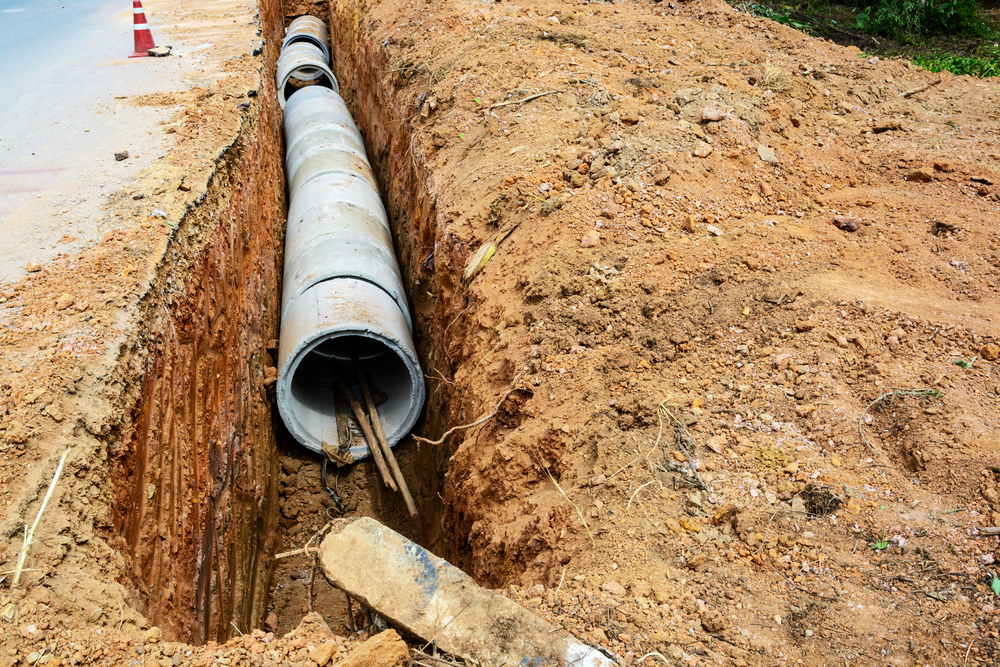
Culvert installation services play a central role in managing water flow across a property. Culverts guide surface water under driveways, roads, and access points, preventing erosion and flooding. Installing them before February ensures that drainage systems are in place before the heavier rains of spring arrive. When culverts are delayed, even a single storm can wash out temporary access routes or carve channels into unfinished grades.
In Montgomery, surface water management is particularly important due to the area’s clay rich soils and flat terrain. Water that is not properly directed tends to pool, weakening soil structure and undermining future construction. By completing culvert installation early, property owners protect their investment and maintain site accessibility. This is especially valuable for rural properties where long driveways or shared access points depend on reliable drainage to remain passable year round.
Early culvert work also supports compliance with local regulations and engineering requirements. Properly installed culverts reduce the risk of runoff impacting neighboring properties or public rights of way. Addressing these concerns before spring demonstrates foresight and minimizes the likelihood of costly corrections later in the project.
The Role of Driveway Base Installation in Long Term Access
A driveway is more than a path to a building site. It is a critical component of daily access for construction crews, delivery vehicles, and future occupants. Driveway base installation must be done on stable, well prepared ground to ensure longevity. Completing this work before February allows the base materials to settle and compact under favorable conditions, reducing the risk of rutting or shifting once spring rains begin.
In Montgomery, TX, poorly timed driveway work often leads to soft spots and washouts that require repeated repairs. When the base is installed early, it has time to bond with the underlying soil and shed water effectively. This creates a reliable access route that supports the rest of the site work timeline. For projects involving heavy equipment, early driveway preparation can be the difference between steady progress and constant delays.
A solid driveway base also ties into broader surface water management strategies. When water is directed away from access points and toward designated drainage paths, the entire site functions more efficiently. This integration is easiest to achieve when grading, culverts, and driveway base installation are planned and executed together before spring conditions complicate the process.
Preparing Land for Pond Construction and Drainage Control
Pond construction is often part of a larger plan to manage water, enhance property value, or support agricultural and recreational uses. In Montgomery, ponds can serve as both functional and aesthetic features, but their success depends on proper timing and preparation. Excavating and shaping a pond before February allows contractors to work with drier soils and achieve precise contours that promote effective water retention and overflow control.
When pond construction is delayed into spring, saturated ground can collapse or shift, making it difficult to maintain design specifications. Early excavation also supports better integration with surrounding grading and drainage systems. By coordinating pond work with culvert installation services and overall grading, property owners create a cohesive approach to surface water management.
This early effort pays off during spring rains, when a properly constructed pond begins to function as intended. Instead of uncontrolled runoff, water is captured and directed, reducing erosion and protecting other site features. For those breaking ground in Montgomery, aligning pond construction with early year site preparation helps ensure that water becomes an asset rather than a problem.
Aligning Your Site Work Timeline With Spring Construction Goals
Preparing for spring construction requires a clear and realistic site work timeline. February serves as a critical cutoff point for completing foundational tasks such as grading and excavation, drainage installation, and access preparation. By finishing these elements early, builders and property owners position themselves to move directly into vertical construction when weather and permitting align.
In Montgomery, delays in early site work often cascade into missed opportunities later in the year. Contractors become busier in spring, material costs fluctuate, and weather disruptions increase. Completing groundwork ahead of this rush provides flexibility and reduces pressure on schedules. It also allows time to address any unforeseen issues, such as minor grading adjustments or additional drainage needs, before they impact major construction phases.
A well planned timeline that prioritizes early completion of culverts and grading supports efficiency and cost control. It ensures that when spring arrives, the site is ready to support building activity without interruption. This proactive approach reflects an understanding of local conditions and a commitment to long term project success.
Conclusion
Finishing culverts and grading by February is a strategic decision that protects your property, your budget, and your schedule. In Montgomery, TX, where weather patterns and soil conditions demand careful planning, early site preparation sets the stage for successful construction. From culvert installation services and driveway base installation to pond construction and surface water management, each element benefits from timely execution. By preparing for spring construction now and aligning your site work timeline with seasonal realities, you ensure that breaking ground in Montgomery leads to progress rather than problems.
Need Construction Preparation & Services in Montgomery, TX?
At Randy Roan Construction Inc., we work hard to ensure our quality work is done in a timely manner. We provide services such as land clearings, site utilities, and asphalt paving along with many other services. We guarantee your customer satisfaction with our work here at Randy Roan Construction Inc. So give us a call today!