

Spring brings new beginnings and blooming opportunities, especially in construction across Montgomery, TX. However, with spring also comes increased rainfall, which can pose significant challenges for both residential and commercial builds. To ensure a successful project, one must prioritize the often-overlooked hero of construction site preparation: proper drainage. This foundational element is particularly crucial in areas like Montgomery County, where local terrain and climate demand careful attention to water management. From culvert installation to final grading and sloping, drainage solutions are essential to the durability, safety, and long-term success of any project.
The Importance of Drainage in Construction Site Preparation
Before the first brick is laid or the first structure is raised, a well-prepared construction site in Montgomery, TX must begin with effective drainage planning. Site prep in this region involves more than clearing land and removing vegetation. It means analyzing how water flows across the property and implementing systems that direct it safely away from foundations and infrastructure.
Montgomery County receives its fair share of rainfall in spring, which can quickly turn a poorly prepared job site into a swampy mess. Without proper drainage, excess water can pool in excavation areas, delay work schedules, and cause soil instability. This is especially problematic for dirt work, where compacted soil becomes vulnerable to erosion when saturated. Waterlogged soil can weaken the ground under driveways, slabs, and retaining walls, ultimately compromising the integrity of the structure.
Stormwater management must be integrated from the very beginning. This includes grading the land to ensure a natural slope away from structures and implementing interim measures to control runoff during construction. By planning for drainage early, contractors in Montgomery, TX set their projects on a solid, dry foundation that can withstand the region’s rainy season.
Culvert Installation and the Role of Infrastructure
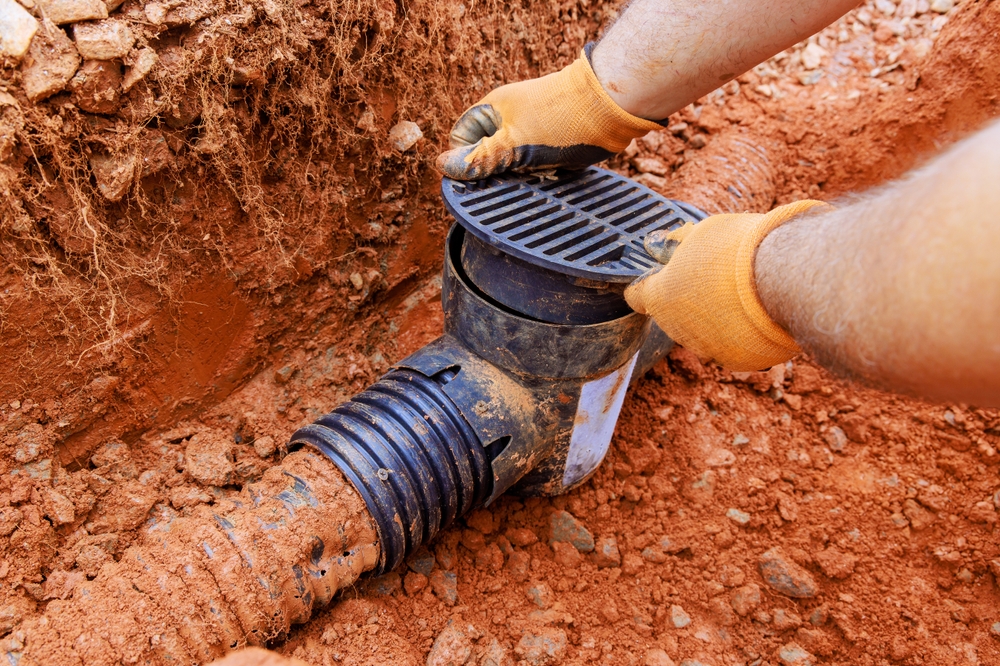
Culvert installation is one of the most effective strategies for managing stormwater in both rural and urban builds. These buried pipes allow water to flow under roads, driveways, and pathways without eroding the surface or causing washouts. In Montgomery County, culverts are not just convenient; they are often required by local regulations, especially when building near water features like Lake Conroe.
Installing culverts correctly is critical. They must be sized appropriately to handle peak water flow and positioned to match the natural contours of the land. A poorly installed culvert can back up during heavy rain, leading to overflows or even structural damage. When installed with precision, however, culverts protect roadbeds, prevent erosion, and extend the life of driveways and access roads.
Additionally, when building near Lake Conroe, careful consideration must be given to how the project affects watershed areas. Improper drainage can lead to sedimentation, harming local water quality and ecosystems. With proper planning and compliance with Montgomery, TX drainage codes, builders can avoid fines and environmental damage while ensuring long-term functionality.
Erosion Control: Protecting Your Investment
Erosion control goes hand in hand with drainage. Left unchecked, erosion can devastate a property by washing away topsoil, undermining foundations, and causing silt buildup in nearby bodies of water. In Montgomery, TX, where spring storms can bring heavy rains and high runoff volumes, this is not a problem to underestimate.
Methods for controlling erosion include silt fences, hydroseeding, and retaining structures. For active construction sites, temporary solutions may be necessary, such as gravel berms or check dams. These features slow the speed of water, allowing it to deposit sediment safely rather than carrying it downhill.
Beyond the construction phase, long-term erosion control must be part of the landscape design. Native vegetation can help hold soil in place, while well-designed drainage ditches and swales continue managing runoff. Property owners who fail to plan for erosion control may find themselves fixing yard drainage issues long after the build is complete, often at significant expense.
In Montgomery County, erosion control is also an essential part of gaining permit approval. Local inspectors look for detailed drainage solutions in site plans before greenlighting construction. Proper documentation and execution can prevent delays and show commitment to sustainable building practices.
Final Grading and Sloping: Shaping the Land for Longevity
Final grading and sloping are the last steps in shaping a site to perform well during heavy rainfall. It is not enough to simply level a property. Instead, it must be sculpted to guide water away from buildings and into designated drainage areas. This work is especially important in areas like Montgomery, TX, where seasonal rains and occasional flash floods demand resilient landforms.
Grading typically involves cutting high spots and filling low areas to create a smooth, gentle slope that promotes runoff. This slope must be consistent and deliberate, avoiding depressions where water could collect. Around foundations, the soil should slope away at a minimum grade to prevent water from seeping into basements or crawlspaces.
Sloping must also take into account features like driveways, walkways, and patios. These hard surfaces should not block natural water flow but instead incorporate channels or drains that guide water safely. When final grading is done right, it eliminates the risk of standing water and provides a seamless transition to landscaping.
In Montgomery County, where the soil type can vary from sandy loam to heavy clay, proper grading also ensures that the land remains stable under changing moisture conditions. Contractors experienced with local soil behaviors can adjust their grading techniques accordingly, avoiding the pitfalls that come from one-size-fits-all approaches.
Addressing Stormwater Management Beyond the Build
Stormwater management does not end when construction is complete. In fact, it becomes even more important once impermeable surfaces are in place. Roofs, driveways, and sidewalks all shed water at a much faster rate than soil, increasing runoff volume and velocity. Without a clear post-construction drainage plan, this water can overwhelm the property and surrounding areas.
In Montgomery, TX, stormwater systems must be designed to handle significant rainfall events without causing flooding or water damage. This includes integrating gutters, downspouts, and underground drains that direct water into retention ponds, rain gardens, or storm sewers. These systems reduce the strain on municipal infrastructure and protect the investment made in the build.
Builders must also consider the impact on neighboring properties. Overflow from one poorly managed site can flood a neighbor’s yard or home, leading to liability issues. This is particularly important when building in densely populated or sloped areas of Montgomery County.
Regular maintenance of stormwater features is essential. Clogged drains, silted culverts, and damaged ditches can quickly undo the benefits of a well-planned system. Homeowners should be educated on how to maintain these systems or connected with service providers who can keep them functioning long-term.
As a final note, properties built near Lake Conroe must meet strict environmental standards to avoid contamination and preserve the health of the lake. Thoughtful stormwater management not only keeps properties dry but helps sustain the natural beauty that makes the Montgomery, TX area so desirable.
Conclusion
Rainy spring weather is a certainty in Montgomery, TX, but flooding and water damage do not have to be. With proper construction site preparation, including expert drainage solutions, culvert installation, erosion control, final grading and sloping, and long-term stormwater management, builders can create properties that stand strong season after season.
Whether constructing near Lake Conroe or developing a new neighborhood in Montgomery County, the success of any project begins with managing the flow of water. Ignoring this crucial step can lead to delays, damage, and costly repairs. By prioritizing drainage and dirt work early on, construction professionals set themselves up for long-term success and satisfied clients.
Fixing yard drainage issues after the fact is avoidable. With careful planning, local expertise, and adherence to best practices, spring can be a time of progress rather than frustration. In Montgomery, TX, where weather and terrain present unique challenges, the right approach to drainage makes all the difference.
Need Construction Preparation & Services in Montgomery, TX?
At Randy Roan Construction Inc., we work hard to ensure our quality work is done in a timely manner. We provide services such as land clearings, site utilities, and asphalt paving along with many other services. We guarantee your customer satisfaction with our work here at Randy Roan Construction Inc. So give us a call today!