

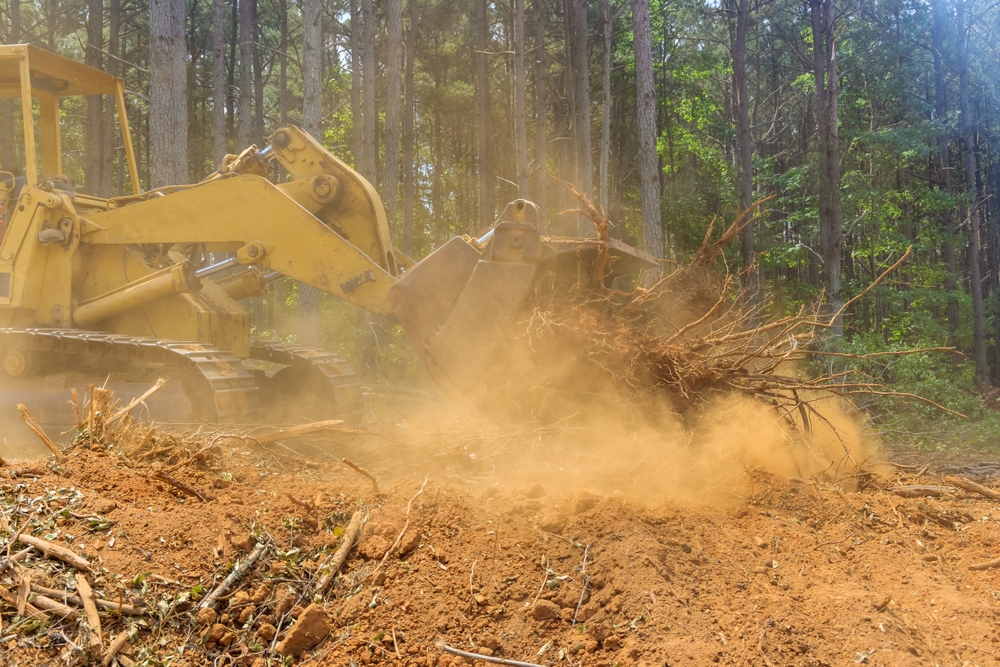
Underground utility installation in Montgomery, TX requires careful attention to soil composition and ground conditions. Texas presents unique challenges for contractors and engineers who must navigate diverse terrain, varying moisture levels, and complex subsurface layers. Understanding these ground conditions is essential for successful utility projects, whether you’re installing water lines, electrical conduits, gas pipelines, or telecommunications cables.
The cost and timeline of your project can vary significantly based on what lies beneath the surface, making proper site assessment a critical first step in any underground utility installation in Montgomery, TX.
Soil Types and Their Impact on Digging
Texas soils vary dramatically across the state, and Montgomery County is no exception. The region contains several distinct soil classifications that directly influence how contractors approach underground utility installation in Montgomery, TX. Clay soils dominate many areas, which can present challenges due to their density and tendency to become extremely hard when dry. When clay becomes compacted, digging requires specialized equipment and more time, which increases labor costs and extends project schedules.
Sandy soils, another common type in Texas, behave very differently from clay. While sandy soil is easier to excavate, it lacks stability and cohesion. This means that trenches dug in sandy areas may require additional shoring or bracing to prevent collapse during underground utility installation in Montgomery, TX. The walls of sandy trenches can cave in without proper support, creating safety hazards and potential damage to utility lines. Contractors must install temporary supports such as trench boxes or hydraulic shores to protect workers and maintain trench integrity.
Loamy soils, which represent a mixture of sand, silt, and clay, offer a middle ground in terms of workability. Many areas around Montgomery County contain loam, which is generally stable enough for trenching without extensive shoring in shallow applications. However, even loamy soils can present challenges when wet, as they can become slippery and unstable. Understanding your specific soil type allows contractors to plan appropriate excavation techniques and safety measures for your underground utility installation in Montgomery, TX.
Rock Formations and Challenging Subsurface Conditions
One of the most significant challenges in Texas utility installation involves encountering rock formations and hardpan layers. Beneath the topsoil and loose soil layers, contractors often find caliche, a calcium carbonate-cemented soil that is extremely hard and difficult to excavate. Caliche formations can appear at various depths and can be several feet thick, creating substantial obstacles for trenching operations.
When caliche is present during underground utility installation in Montgomery, TX, contractors must employ rock excavation equipment such as jackhammers, pneumatic tools, or even blasting in some cases. The cost difference between digging through soft soil and breaking through caliche can be dramatic, sometimes adding thousands of dollars to a project. Site surveys and soil boring tests can identify caliche presence before work begins, allowing contractors to budget appropriately and plan logistics accordingly.
Bedrock also appears in some areas of Montgomery County, particularly granite and other igneous rock formations. Solid rock presents the ultimate excavation challenge, requiring drilling and blasting or specialized cutting equipment. These conditions significantly impact the feasibility and cost of underground utility installation in Montgomery, TX, and may require engineering modifications to project design, such as boring beneath rock formations instead of direct trenching.
Groundwater and Moisture Management
The water table elevation in Montgomery County varies seasonally and by location, but groundwater is a critical factor affecting any underground utility installation in Montgomery, TX. During wet seasons or in areas with naturally high water tables, contractors must manage water intrusion into trenches. Dewatering operations, involving pumps and surface water management systems, become necessary to keep trenches dry and safe for workers.
Water saturation also affects soil stability and workability. Saturated clays become slippery and lose bearing capacity, while saturated sandy soils may liquefy and flow into trenches. These conditions not only create safety concerns but also complicate pipe laying and can damage utility materials if they become submerged. Proper dewatering extends project timelines and increases costs but is essential for worker safety and project success.
Soil moisture levels affect compaction and trench stability throughout the year. Heavy rainfall is common in Texas, and Montgomery County experiences seasonal flooding in some areas. A site that appears dry at project start may become waterlogged within days of rainfall. Contractors planning underground utility installation in Montgomery, TX must account for seasonal variations and design drainage solutions that protect utilities during wet periods. Installing proper backfill materials and compacting them correctly helps manage future moisture problems around utility lines.
Environmental and Subsurface Contamination Concerns
Before beginning underground utility installation in Montgomery, TX, environmental site assessments may reveal historical contamination or hazardous materials in the soil. Industrial facilities, old dumpsites, and historical business operations can leave chemical residues that pose health and safety risks to workers and environmental concerns for contractors.
Contaminated soil must be handled according to federal and state environmental regulations. In some cases, soil must be excavated and transported to approved disposal facilities, significantly increasing project costs. In other situations, contamination may require relocation of utility routes to avoid excavating through affected areas. Phase One and Phase Two Environmental Site Assessments can identify these issues before work begins, allowing contractors to plan accordingly and avoid surprises during excavation.
Oil and gas operations have long been part of Texas history, and abandoned well sites can appear in unexpected locations. Encountering an unknown well during underground utility installation in Montgomery, TX can halt work and require specialized remediation. Utility locating services and environmental surveys help identify these hazards, but some remain hidden until excavation occurs. Contractors must carry appropriate insurance and maintain safety protocols for this contingency.
Utility Coordination and Existing Infrastructure Conflicts
The subsurface of Montgomery County contains numerous existing utilities including water mains, sewer lines, electrical conduits, gas lines, and telecommunications cables. Proper underground utility installation in Montgomery, TX depends on accurately locating all existing utilities before beginning excavation. Call-before-you-dig services are mandatory in Texas, and contractors must receive locate marks from utility companies indicating the positions of subsurface lines.
Conflicts arise when new utilities must cross or run parallel to existing lines, and ground conditions affect how these situations are resolved. Clay soils may allow for deeper placement of utilities to avoid conflicts, while shallow rock formations might force utilities to run closer together or require boring operations to pass beneath or above existing lines. The density and arrangement of existing utilities in developed areas adds complexity to underground utility installation in Montgomery, TX and can extend timelines as coordination between utility companies becomes necessary.
Conclusion
Successful underground utility installation in Montgomery, TX requires comprehensive understanding of local ground conditions including soil types, rock formations, groundwater levels, and potential contamination. Working with experienced contractors who understand Texas soil challenges and local site conditions ensures projects stay on schedule and within budget. Site investigation, proper planning, and adherence to safety standards protect workers and create utilities designed to function reliably for decades.
Need Construction Preparation & Services in Montgomery, TX?
At Randy Roan Construction Inc., we work hard to ensure our quality work is done in a timely manner. We provide services such as land clearings, site utilities, and asphalt paving along with many other services. We guarantee your customer satisfaction with our work here at Randy Roan Construction Inc. So give us a call today!