
Water and sewer lines are both buried underground, but they serve completely different purposes. Knowing the difference can help homeowners and property owners in Montgomery, TX recognize problems early, make informed decisions about repairs or replacements, and understand what to expect during a new water installation project.
Quick Answer
The main difference between a water line and a sewer line is the direction the water flows. A water line brings clean, pressurized drinking water into your home or business, while a sewer line carries wastewater away from your property through gravity to the municipal sewer system or a septic system. Because they serve different functions, they require different materials, installation methods, inspections, and maintenance.
What Local Readers Should Know
-
Water lines deliver clean water under pressure, while sewer lines remove wastewater using gravity.
-
Montgomery County’s expansive clay soils can shift over time, affecting both water and sewer lines.
-
New construction, home additions, and major line replacements often require excavation and compliance with local permitting requirements.
-
Older properties throughout Montgomery, Conroe, and nearby communities may have aging underground utility lines that are more susceptible to leaks or failures.
-
Choosing the correct installation method helps reduce future repairs and protects your property’s plumbing system.
Why This Matters Locally
Underground utility lines in Montgomery, TX face challenges that differ from many other parts of the country. Seasonal rainfall, periods of drought, and naturally shifting soils can all place stress on buried pipes. New residential growth throughout Montgomery County also means many property owners are installing utility lines for new homes, workshops, guest houses, and commercial buildings.
Whether you’re building from the ground up or replacing aging infrastructure, understanding the difference between water and sewer line installation helps you make better long-term decisions.
Randy Roan Construction Inc. helps property owners throughout the Montgomery area with underground utility construction projects designed to meet local requirements while preparing properties for years of dependable service.
Local Field Observations
While every property is unique, our field experience shows that many underground utility projects begin after homeowners notice recurring plumbing issues or during new construction planning. In growing communities around Lake Conroe, Magnolia, Willis, and Montgomery, installing properly sized underground utility lines during initial construction often helps avoid costly modifications later.
Properties with older infrastructure may also require utility upgrades before major remodeling projects can move forward.
Water Line Installation Explained
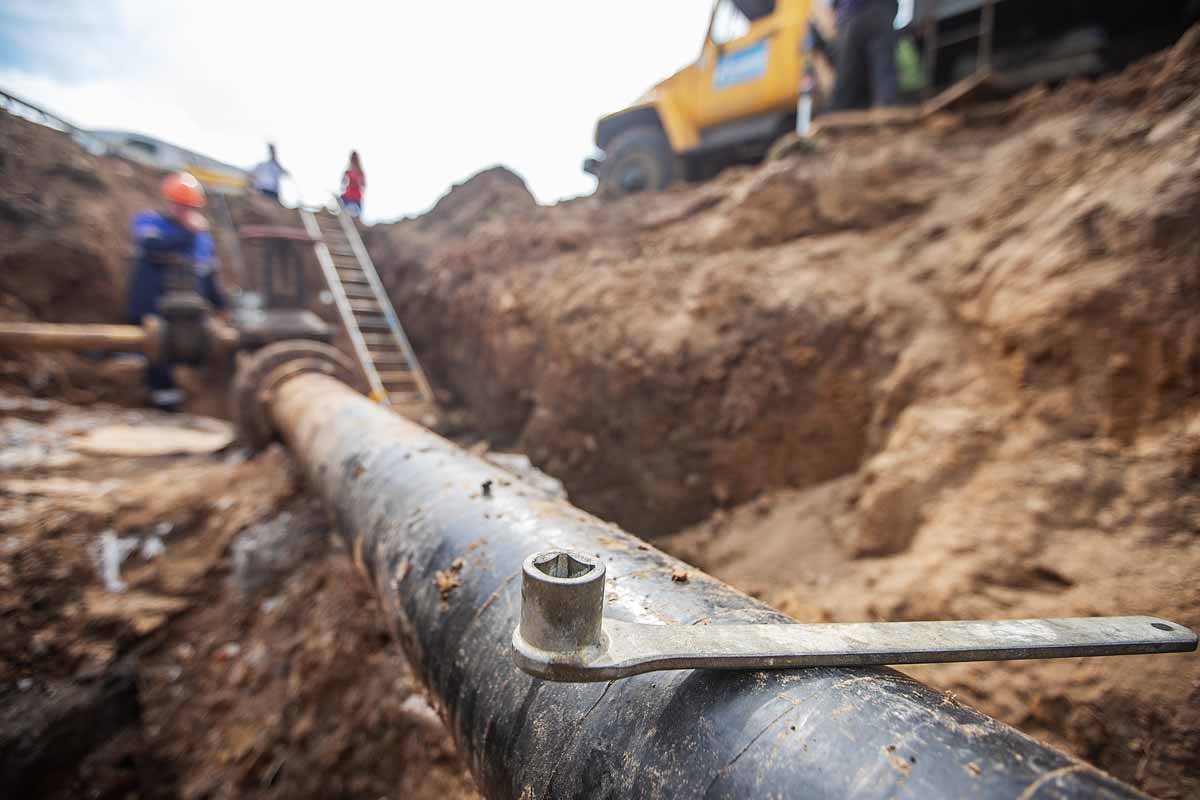
Water line installation involves bringing potable water from the municipal water main or private well into a structure. Because the water is pressurized, these pipes must withstand constant internal pressure while maintaining safe drinking water quality.
Typical water line installation includes:
-
Excavating a trench from the water source to the building
-
Installing approved water service piping
-
Connecting to the water supply
-
Pressure testing the line
-
Backfilling and restoring the property
Proper installation helps minimize future leaks while protecting water quality and maintaining consistent water pressure throughout the property.
Sewer Line Installation Explained
Sewer line installation removes wastewater from sinks, toilets, showers, and appliances. Unlike water lines, sewer systems depend on gravity, making proper slope one of the most important parts of installation.
A typical sewer installation includes:
-
Excavating the sewer trench
-
Establishing proper pipe grade
-
Installing sewer pipe and fittings
-
Connecting to the municipal sewer system or septic system
-
Testing the system
-
Backfilling and restoring the site
Even a small error in slope can create drainage problems that lead to recurring clogs or backups.
Key Differences Between Water and Sewer Lines
Although both systems are buried underground, they differ in several important ways.
Purpose
Water lines bring clean water into the property.
Sewer lines carry wastewater away.
Flow
Water lines operate under pressure.
Sewer lines rely on gravity.
Pipe Materials
Water lines commonly use pressure-rated piping.
Sewer lines use larger drain pipe designed for wastewater flow.
Testing
Water lines undergo pressure testing.
Sewer lines are typically inspected for proper slope, alignment, and leak-free joints.
Common Problems
Water lines may develop leaks that reduce pressure or increase water bills.
Sewer lines may experience blockages, root intrusion, or pipe collapse.
How Underground Conditions Affect Installation in Montgomery, TX
Local soil conditions play a major role in underground utility construction. Expansive clay soils common throughout Montgomery County can expand during wet periods and contract during dry weather. Over time, this natural movement may place stress on underground piping.
Other local factors include:
-
Heavy rainfall events
-
Mature tree root systems
-
Ongoing residential development
-
Driveway and roadway crossings
-
Varying groundwater conditions
Proper planning helps reduce the likelihood of future issues.
Warning Signs of Water Line Problems
If your water service line is failing, you may notice:
-
Unusually high water bills
-
Low water pressure
-
Wet spots in the yard
-
Water pooling near the foundation
-
Constantly running water meter
-
Discolored tap water
-
Unexplained drops in pressure
These symptoms should be evaluated before the damage becomes more extensive.
Warning Signs of Sewer Line Problems
A sewer line often shows warning signs before complete failure.
Watch for:
-
Slow drains throughout the house
-
Multiple plumbing fixtures backing up
-
Sewage odors outdoors
-
Wet or unusually green areas in the yard
-
Gurgling drains
-
Frequent drain clogs
-
Wastewater backing up into fixtures
Ignoring these signs can allow the problem to worsen.
When to Call a Professional
Minor plumbing clogs inside a home can sometimes be addressed with routine maintenance. Underground water and sewer line issues, however, require specialized equipment, excavation expertise, and knowledge of local utility requirements.
Professional evaluation is recommended if you experience recurring plumbing problems, visible ground settlement, unexplained water loss, or signs of underground leaks.
Common Causes of Underground Line Failure
Several factors contribute to underground utility problems in Montgomery and surrounding communities.
The most common include:
-
Soil movement caused by seasonal moisture changes.
-
Aging pipes reaching the end of their service life.
-
Tree root intrusion into sewer systems.
-
Poor installation from previous work.
-
Heavy vehicle traffic over buried utilities.
-
Corrosion or deteriorated pipe materials.
Understanding the cause helps determine whether repair or full replacement is the better solution.
Prevention and Maintenance
Property owners can extend the life of underground utilities by following a few practical steps.
-
Schedule inspections if recurring plumbing issues develop.
-
Avoid planting large trees directly over utility corridors.
-
Address small leaks before they become major failures.
-
Know where underground utilities are located before digging.
-
Have utility lines evaluated before major remodeling or additions.
Routine attention often prevents emergency repairs.
What to Expect from a Professional Installation
A properly planned installation generally includes site evaluation, utility locating, excavation, installation, testing, inspection, and site restoration. While every project differs, careful planning helps minimize disruption and supports long-term system performance.
Common Mistakes
Mistake: Assuming water and sewer lines are installed the same way.
Consequence: Improper installation can lead to drainage issues or water service problems.
Better Approach: Design each system according to its specific function and local requirements.
Mistake: Waiting too long after noticing warning signs.
Consequence: Small leaks or drainage issues can become expensive excavation projects.
Better Approach: Have underground utilities evaluated early.
Mistake: Choosing the lowest bid without considering experience.
Consequence: Poor installation may lead to recurring repairs.
Better Approach: Work with experienced underground utility contractors familiar with local conditions.
Common Local Scenario
A homeowner in the Montgomery area plans to build a detached workshop with plumbing. During planning, they discover the existing water service is undersized and the sewer connection needs to be extended. Completing both utility installations before construction begins helps avoid future excavation after the building is complete.
Related Service Solutions
Depending on the property’s needs, underground utility projects may include:
-
Water line installation
-
Sewer line installation
-
Utility trenching
-
New construction utility infrastructure
-
Underground utility replacement
-
Site preparation and excavation
Every property benefits from an installation plan tailored to its layout and utility requirements.
Comparing Your Options
| Option | Best For | Considerations |
|---|---|---|
| Water Line Repair | Small localized leaks | May not solve aging pipe issues. |
| Water Line Replacement | Older or extensively damaged lines | Offers a long-term solution. |
| Sewer Line Repair | Isolated damage | Suitable when most of the line remains in good condition. |
| Sewer Line Replacement | Multiple failures or collapsed pipe | Often provides greater long-term reliability. |
Service Areas
We proudly serve property owners throughout Montgomery, TX, along with Conroe, Magnolia, Willis, Lake Conroe, and surrounding communities across Montgomery County. Our underground utility services support both residential and commercial construction projects.
Cost of Ignoring the Issue
Delaying water or sewer line repairs can increase excavation costs, create property damage, interrupt daily activities, and potentially lead to larger utility replacement projects. Addressing problems early is often more cost-effective than waiting for a complete failure.
Frequently Asked Questions
Is installing a water line different from installing a sewer line?
Yes. Water lines deliver clean water under pressure, while sewer lines rely on gravity to remove wastewater. Each requires different installation methods and testing procedures.
Can shifting soil affect underground utility lines in Montgomery, TX?
Yes. Expansive clay soils found throughout Montgomery County can move as moisture levels change, placing stress on buried utility lines over time.
How do I know whether I have a water line problem or a sewer line problem?
Water line issues often appear as low pressure or unexplained water loss. Sewer problems usually involve slow drains, backups, odors, or recurring clogs.
Can both water and sewer lines be replaced during one project?
Yes. If excavation is already required, replacing both systems at the same time may improve efficiency depending on the property’s condition and project goals.
Do older homes around Montgomery need utility upgrades?
Many older properties may eventually require underground utility improvements as piping ages or property needs change. A professional inspection can determine the condition of existing lines.
How long does underground utility installation take?
The timeline depends on property size, utility access, soil conditions, permitting requirements, and project complexity. Every installation is unique.
Closing
Understanding the difference between water line and sewer line installation helps property owners make informed decisions before problems become larger and more expensive. Whether you’re building a new structure or replacing aging underground utilities, proper planning supports reliable performance for years to come.
Build Your Project on a Solid Foundation
Whether you need a new water line, sewer line, or complete underground utility installation, we’re here to help you evaluate your options and complete the work with care.