
Underground utility installation is a critical infrastructure project that requires careful planning and strategic decision-making. When property owners, contractors, and utility companies plan to install underground utilities such as water lines, sewer pipes, electrical conduits, and telecommunications cables, they must evaluate numerous factors to determine the most efficient and cost-effective route. For those seeking underground utility installation in Montgomery, TX, understanding these determining factors can help streamline the process and ensure successful completion.
The route selection process involves technical assessments, regulatory compliance, environmental considerations, and economic factors that all play crucial roles in project success. Each decision made during the planning phase can significantly impact the timeline, budget, and overall functionality of the utility system. This blog explores the key elements that influence route selection for underground utility installations.
Soil Composition and Ground Conditions
One of the most fundamental factors in determining the best route for underground utility installation in Montgomery, TX is understanding the soil composition and ground conditions in the area. Different soil types present varying levels of difficulty and cost for excavation and installation. Sandy soils are generally easier to work with, while clay and rocky soils can increase labor costs and installation time.
Professionals conduct soil testing and geological surveys to identify subsurface conditions before selecting the final route. These tests reveal information about soil density, moisture content, and stability, which directly affects how deep utilities must be buried and what type of support materials will be needed. Areas with high water tables may require special drainage solutions or adjusted burial depths to prevent flooding or pipe displacement.
The presence of bedrock, hardpan, or other dense subsurface layers can make certain routes impractical or extremely expensive. Contractors must factor in the cost of specialized equipment needed to penetrate these difficult materials when evaluating different routing options. By understanding ground conditions upfront, project managers can avoid costly surprises during the excavation phase.
Existing Underground Infrastructure
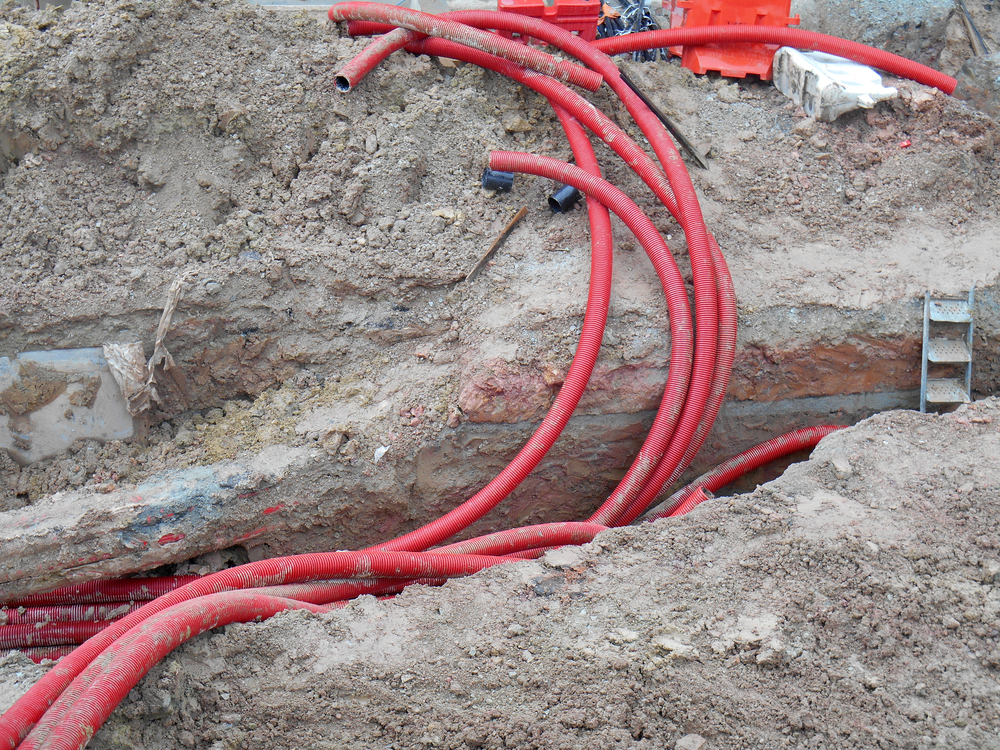
Another critical consideration when planning underground utility installation in Montgomery, TX is the presence of existing underground infrastructure. Most developed areas already have established utilities including water mains, sewer lines, natural gas pipelines, electrical lines, and telecommunications cables buried beneath the surface.
Before selecting a route, utility companies and contractors must conduct comprehensive utility locating services to map all existing underground infrastructure. This process involves both electronic detection and physical excavation to expose existing lines and determine their exact locations. Avoiding conflicts with existing utilities is essential for safety, cost management, and regulatory compliance.
When new utilities must cross existing infrastructure, special installation techniques such as boring, directional drilling, or jack-and-bore methods may be required. These specialized techniques increase project costs but are necessary to maintain the integrity of existing utilities while installing new ones. Poor coordination with existing infrastructure can result in service interruptions, safety hazards, or expensive remediation efforts.
Topography and Surface Conditions
The terrain and surface characteristics of the installation area significantly influence route selection. Flat terrain is generally easier and less expensive to work with than hilly or mountainous areas. Steep slopes can complicate excavation, require additional support structures, and increase labor and equipment costs.
Areas with surface water, wetlands, or flood-prone regions present additional challenges for underground utility installation in Montgomery, TX. These environmentally sensitive areas may require special construction techniques, permitting procedures, and environmental mitigation measures. Routing utilities through established rights-of-way such as existing roads or utility corridors is often preferred because the ground conditions are generally better understood and the route is already cleared of obstacles.
The presence of trees, structures, sidewalks, and other surface features must also be considered. Routes that avoid displacing existing improvements save time and money. When surface features cannot be avoided, removal or relocation costs must be factored into the project budget.
Regulatory and Permitting Requirements
Government regulations and permitting requirements substantially influence route selection for underground utility installations. Local municipalities, county governments, and state agencies have specific codes and standards that dictate minimum burial depths, clearances from property lines, and distance requirements between different utility types.
Each jurisdiction may have unique regulations governing underground utility installation in Montgomery, TX. Obtaining necessary permits requires submitting detailed plans showing the proposed route and demonstrating compliance with all applicable codes. Utility companies must coordinate with regulatory agencies to ensure the selected route meets all legal requirements.
Right-of-way acquisition is another regulatory consideration that affects route selection. Installing utilities on public property such as roads, sidewalks, or public easements typically requires easement agreements and permits from the appropriate government agencies. Private property installations require property owner consent and may involve negotiating easement agreements.
Cost and Project Economics
Economic considerations ultimately drive many route decisions in underground utility installation projects. The most direct route between two points is not always the most cost-effective option. Routes that avoid expensive obstacles, difficult soil conditions, or specialized installation techniques may be longer but considerably less expensive overall.
Contractors and utility companies evaluate the total project cost including equipment rental, labor hours, specialized materials, and any required remediation work. A route that costs more upfront may result in faster installation and lower long-term maintenance expenses. Economic analysis must weigh initial installation costs against operational efficiency and future maintenance requirements.
Funding availability also influences route selection for underground utility installation in Montgomery, TX. Projects with limited budgets may require selecting routes that minimize upfront costs even if they compromise some operational efficiency. Conversely, projects with adequate funding may justify selecting more expensive routes that provide superior long-term performance or operational flexibility.
Environmental and Community Considerations
Environmental impact and community considerations increasingly influence route selection decisions. Environmental assessments may identify sensitive habitats, endangered species, wetlands, or other protected areas that must be avoided or that require special mitigation measures.
Community concerns about construction impacts such as traffic disruption, noise, and dust must be addressed through route planning. Selecting routes that minimize disruption to residential or commercial areas can improve project acceptance and reduce community opposition. Public hearings and community input opportunities are often required before finalizing routes for major utility projects.
Sustainable practices such as minimizing environmental disturbance and using trenchless technology where feasible have become increasingly important in route selection. Many projects now prioritize routes that reduce overall environmental impact even when they involve higher costs or greater technical complexity.
Conclusion
Selecting the optimal route for underground utility installation in Montgomery, TX requires balancing multiple technical, regulatory, economic, and environmental factors. Soil conditions, existing infrastructure, topography, regulatory requirements, project economics, and community considerations all play important roles in the decision-making process. Successful projects result from comprehensive planning, thorough site investigation, and careful evaluation of all available routing options.
Need Construction Preparation & Services in Montgomery, TX?
At Randy Roan Construction Inc., we work hard to ensure our quality work is done in a timely manner. We provide services such as land clearings, site utilities, and asphalt paving along with many other services. We guarantee your customer satisfaction with our work here at Randy Roan Construction Inc. So give us a call today!