

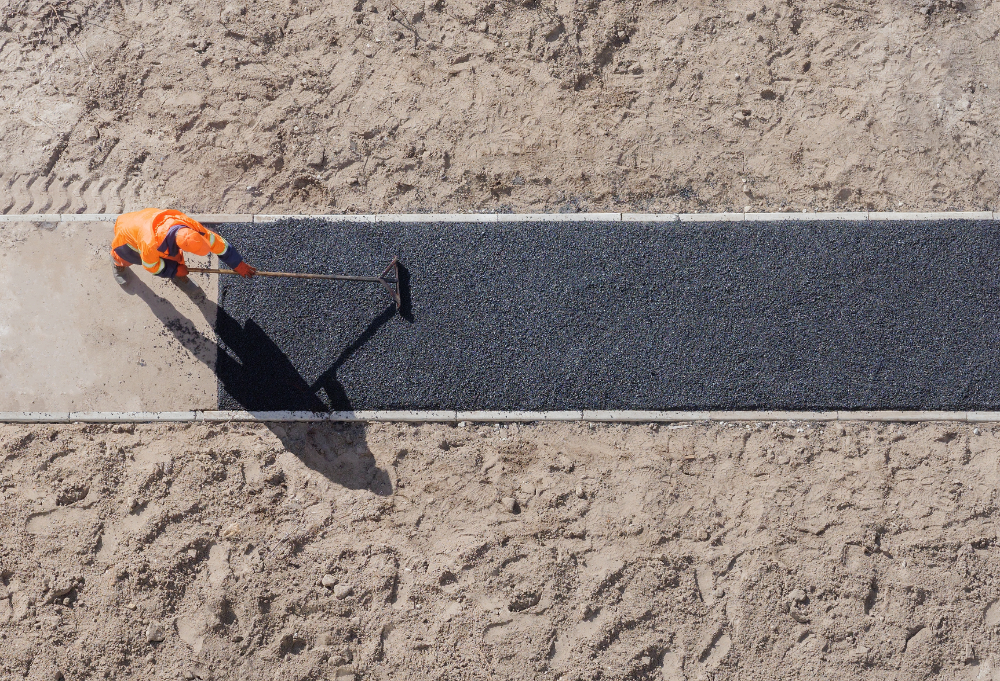
Road construction is one of the most essential components of building a new residential community. Before the first family moves into a new neighborhood, months or even years of planning, grading, paving, and underground utility construction must take place beneath the surface and along every stretch of road. Without a well-executed infrastructure plan, even the most beautifully designed homes cannot function as a livable community. Roads connect residents to schools, workplaces, shopping centers, and emergency services. They define the layout of a neighborhood and set the tone for long-term livability.
Understanding the role that road construction plays in new residential developments helps homeowners, developers, and community planners appreciate the complexity and importance of the work that happens long before move-in day.
Planning and Design: The Blueprint for a Functional Community
Every successful residential development begins with a detailed planning and design phase. Engineers, surveyors, and urban planners collaborate to map out road alignments, grades, intersection locations, and drainage patterns. This process takes into account the natural topography of the land, the projected traffic volume, and the need to connect new roads to existing infrastructure. Local municipalities often require developers to submit traffic impact studies, grading plans, and utility layouts before a single permit is issued.
During this phase, underground utility construction is also carefully coordinated. Water mains, sewer lines, storm drains, gas lines, and electrical conduits must all be mapped and planned in relation to the roadway. Because these utilities typically run beneath the road surface, their installation must be sequenced before paving begins. Poor planning at this stage can lead to costly road repairs later when utilities need to be accessed or replaced. Getting the design right from the start protects both the developer’s investment and the long-term integrity of the road system.
Site grading is another critical element of early planning. The land must be shaped to allow for proper drainage and to support the structural demands of road construction. Poorly graded sites can result in standing water, road base failure, and erosion. Developers who invest in thorough planning and engineering up front consistently see better outcomes throughout the construction process and for years after completion.
Underground Utility Construction: The Hidden Foundation of Every Neighborhood
While roads are the most visible element of residential development infrastructure, underground utility construction is arguably the most critical. Before asphalt or concrete is ever poured, crews must install an intricate network of pipes, conduits, and systems that will deliver essential services to every home in the development.
Water distribution lines must be sized and installed to meet fire flow requirements as well as domestic use demands. Sewer collection systems must be graded precisely to allow for gravity flow or must include lift stations where terrain does not permit natural drainage. Storm sewer systems must be designed to handle heavy rainfall events without flooding streets or yards. All of these systems require deep trenching, careful bedding of pipes, compaction of backfill, and coordination with public utility agencies.
Dry utilities including electricity, natural gas, telecommunications, and fiber optic lines are also installed underground in most modern residential developments. Underground utility construction for dry utilities involves conduit installation, pull boxes, and coordination with multiple service providers. This phase of work requires a high level of scheduling precision because multiple subcontractors and utility companies must access the same trench corridors.
The quality of underground utility construction directly affects the longevity of the roads built above it. Improperly compacted trench backfill is one of the leading causes of premature road failure. When the soil beneath a road settles unevenly, the pavement above it cracks and deteriorates far sooner than expected. Investing in quality underground utility construction protects the entire infrastructure system for decades to come.
Road Base Preparation and Paving: Building Roads That Last
Once underground utility construction is complete and all trenches have been properly backfilled and compacted, the road base preparation phase begins. This is where the structural foundation of the road is established. A road is only as strong as what lies beneath its surface, and the base layers must be capable of distributing the load of vehicles down into the subgrade without allowing movement or settlement.
Subgrade preparation involves moisture conditioning the native soil and compacting it to the density specified in the project’s geotechnical report. In some cases, the native soil may need to be removed and replaced with engineered fill to achieve the required bearing capacity. A layer of aggregate base material is then placed and compacted on top of the prepared subgrade. This aggregate base layer provides stability, drainage, and a uniform surface for the asphalt or concrete pavement above.
Asphalt concrete is the most common paving material used in residential subdivisions due to its cost-effectiveness, ease of repair, and smooth ride quality. It is typically placed in two lifts: a base course and a finish course. The base course is placed early in the construction process to allow heavy equipment access to the job site, while the finish course is applied after all home construction activity has been completed to protect the surface from damage.
Concrete pavement is also used in some residential developments, particularly in regions with extreme temperature variation or heavy traffic loading. Concrete offers superior durability and a longer service life but comes with higher initial costs and longer cure times. Regardless of the paving material selected, quality control during placement and compaction is essential to producing roads that will hold up to years of use.
Curbs, Gutters, Sidewalks, and Drainage: Completing the Street System
A road in a residential development is much more than the pavement itself. The complete street system includes curbs, gutters, sidewalks, handicap ramps, streetlights, signage, and drainage structures. Each of these components plays an important role in the safety, functionality, and aesthetic appeal of the neighborhood.
Curbs and gutters define the edge of the roadway and direct surface water runoff toward storm drain inlets. They also protect the road base from erosion and provide a clear separation between the travel lane and pedestrian areas. Sidewalks give residents safe routes for walking and help establish the character of the neighborhood. In many jurisdictions, sidewalk construction is a condition of development approval and must meet Americans with Disabilities Act standards.
Drainage structures including catch basins, inlet grates, and underground storm pipe networks collect and convey stormwater away from the road surface and adjacent properties. Proper drainage design is essential for preventing flooding, protecting water quality, and extending the life of the pavement. Street lighting improves nighttime visibility and enhances the sense of security for residents. Traffic signs, pavement markings, and speed control measures are also installed as part of the final road construction phase.
These finishing elements bring the road system together and transform a construction site into a neighborhood that people can safely and comfortably call home.
Long-Term Maintenance and Community Impact
The completion of road construction in a new residential development does not mark the end of the infrastructure story. Roads require ongoing maintenance to preserve their condition and extend their useful life. Crack sealing, slurry sealing, and periodic overlay work are all part of a responsible pavement management program. Homeowner associations and local governments must plan for these costs from the very beginning of a development project.
The quality of road construction has a lasting impact on property values, resident satisfaction, and the overall success of a community. Well-built roads attract buyers, reduce long-term maintenance costs, and reflect positively on developers and municipalities alike. Conversely, roads that fail prematurely due to poor design or inadequate underground utility construction can become a source of frustration and financial burden for everyone involved.
Infrastructure investment in the early stages of a residential development pays dividends for generations. Communities built on a solid foundation of quality road construction and underground utility construction are better positioned to grow, thrive, and maintain their value over time.
Conclusion
Road construction is far more than a preliminary step in residential development. It is the backbone of every community, connecting homes to essential services and enabling daily life. From the earliest planning stages to underground utility construction and final paving, every phase of the process contributes to building neighborhoods where families can truly flourish. Developers, planners, and contractors who prioritize quality at every step create lasting value that benefits residents for decades.
Need Construction Preparation & Services in Montgomery, TX?
At Randy Roan Construction Inc., we work hard to ensure our quality work is done in a timely manner. We provide services such as land clearings, site utilities, and asphalt paving along with many other services. We guarantee your customer satisfaction with our work here at Randy Roan Construction Inc. So give us a call today!